What the two methods are actually trying to do
Soft washing is a controlled process: identify the deposit and substrate, apply a compatible treatment, allow appropriate dwell time, protect nearby materials and people, then rinse at a pressure suited to the surface. It can be useful for organic growth, pollen-related film, and some atmospheric deposits where chemistry does the principal loosening. Lower pressure does not mean no planning. The product, concentration, exposure time, temperature, wind, rinse, protection, and runoff path all matter. A low-pressure approach is still wrong if the chemistry is incompatible or the water reaches a sensitive area.
Pressure washing relies more on mechanical force to remove soil. That can be useful on selected durable concrete, some hardscape, loading areas, and other surfaces when the pressure, tip, distance, flow, and operator control are appropriate. It can also expose weak joints, leave wand marks, drive water behind trim, damage EIFS or stucco, etch concrete, remove paint, and spread contaminated water. The word pressure does not define the whole service; the actual setting and surface condition do.
For a commercial property, the better question is not which method sounds stronger. Ask what caused the mark, what the substrate can tolerate, what areas must stay open, how runoff will be managed, and whether the intended finish is broad improvement or detailed restoration. The answer may be soft wash on one elevation, controlled pressure on a durable loading apron, and hand or pole work around entries.
Match the method to Springfield materials and deposits
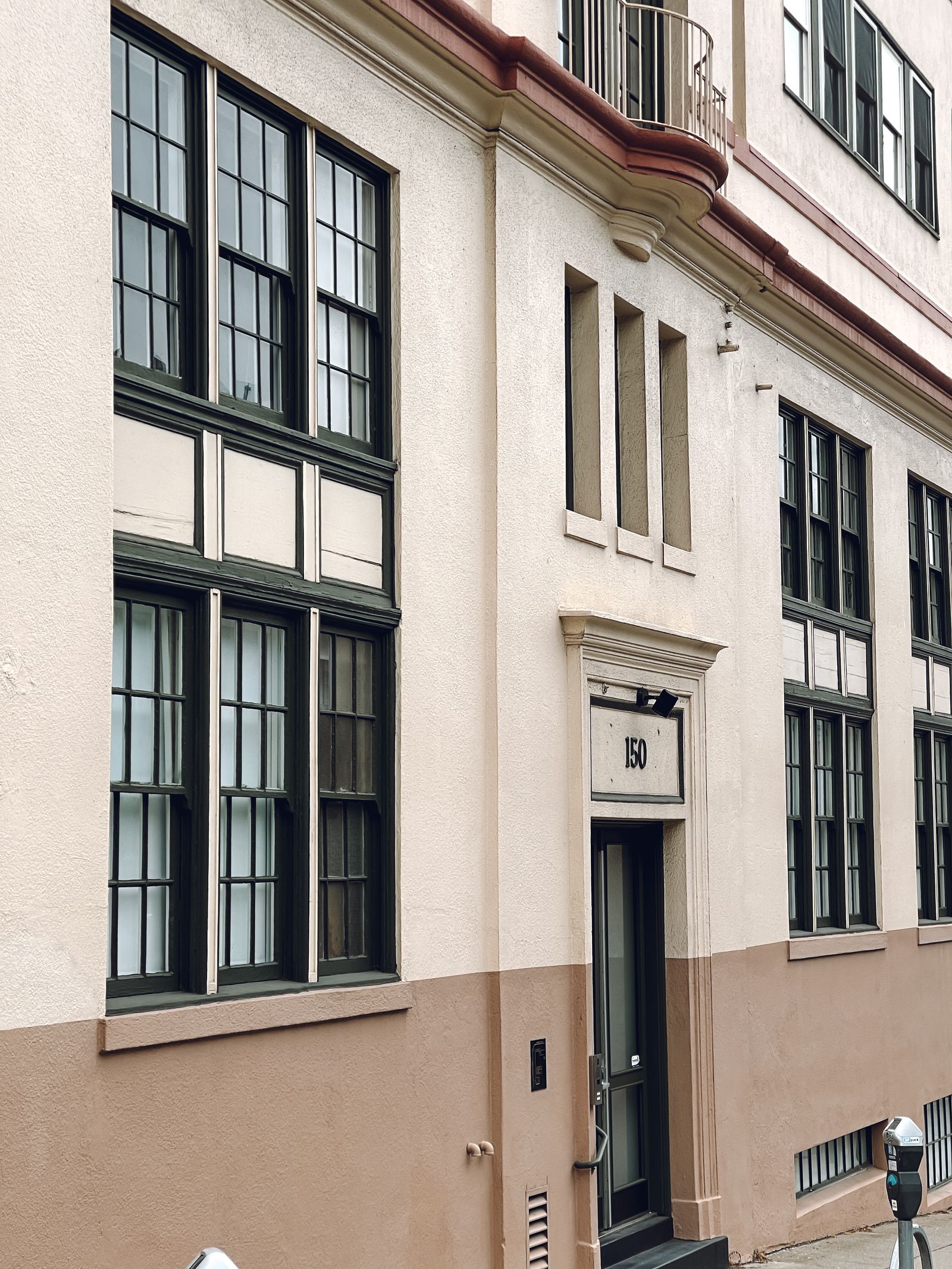
Brick and mortar need a different conversation from painted metal, precast, storefront glass, EIFS, stucco, or coated panels. A soft-wash treatment may suit compatible organic staining on a shaded brick wall, while a pressure setting might be reasonable for a durable concrete service yard after joints and drainage are reviewed. A painted sign band may need a gentle rinse and hand detail. Glass with mineral spotting may need a separate restoration approach rather than either routine facade method. Historic or repaired masonry deserves testing and careful limits.
Springfield's seasonal pattern can create mixed deposits. Spring pollen may sit over older organic film. Summer humidity can support growth on shaded walls. Storm rain can leave roof-edge streaks and carry soil down lower elevations. Road splash along Glenstone Avenue, Battlefield Road, or Republic Road can add petroleum-like film and grit. Manufacturing and logistics sites may have dust or exhaust near docks. Salt is less dominant than in northern markets, but winter deicer can still mark entrances, ramps, and lower walls after freezing events.
A visual inspection should look at the deposit under different light, the condition of joints and coatings, nearby water sources, and the direction of repeat streaks. A test area can reveal whether chemistry, controlled agitation, pressure, or specialty treatment is appropriate. If the cause is an active leak, failed gutter, irrigation spray, oxidation, or corrosion, changing wash strength will not solve the underlying issue.
- Brick, mortar, EIFS, stucco, coatings, metal, glass, and concrete do not share one safe setting.
- Organic film, mineral spotting, oxidation, traffic soil, and construction residue need different expectations.
- Test uncertain finishes before expanding from a sample to a full elevation.
- Treat repair or water-intrusion evidence as a building issue, not simply a tougher cleaning job.
Consider customers, classrooms, patients, and production
A method can be technically workable and still be a poor operational choice if it blocks a hospital entrance, sprays near a school route, interrupts a hotel arrival, or leaves a retail sidewalk unsafe. Springfield healthcare properties need patient drop-offs, emergency access, accessible paths, and air intakes protected. Missouri State, Drury, OTC, and school facilities may have class changes, buses, athletic events, and public movement. Hotels and offices may prefer a low-visibility phase before arrival peaks. Retail centers need storefronts and drive aisles kept usable while tenants remain open.
Manufacturing and warehouse sites need separation from forklifts, trucks, docks, production equipment, and security-controlled areas. A high-pressure setup can create more mist, noise, splash, and uncontrolled water than a facility wants near equipment or a neighboring operation. A low-pressure rinse can reduce some of that exposure, but it still requires barriers, spotters, protection, and a drainage plan. The quote should say how work zones are sequenced and who can pause them when a person, vehicle, delivery, or emergency route enters.
The best method often changes by elevation and time of day. A crew may use a soft-wash process on broad upper masonry, controlled pressure on a durable concrete service area, and hand detail around doors, signs, canopies, and glass. A phased plan can protect a hotel's front drive or a clinic's drop-off while addressing less visible walls first. Customer experience is part of the cleaning specification.
Use weather, access, and airspace as decision factors
Springfield heat and humidity affect chemical dwell, evaporation, worker exposure, and drying time. Wind affects mist, landscaping, barriers, hoses, and aerial operations. Rain can dilute treatment or move rinse water toward a low point. Lightning and severe weather require a pause. A shaded north wall beneath trees may need a different sequence from a sun-heated west elevation. The forecast should be checked with the actual material, public activity, and drainage path in mind.
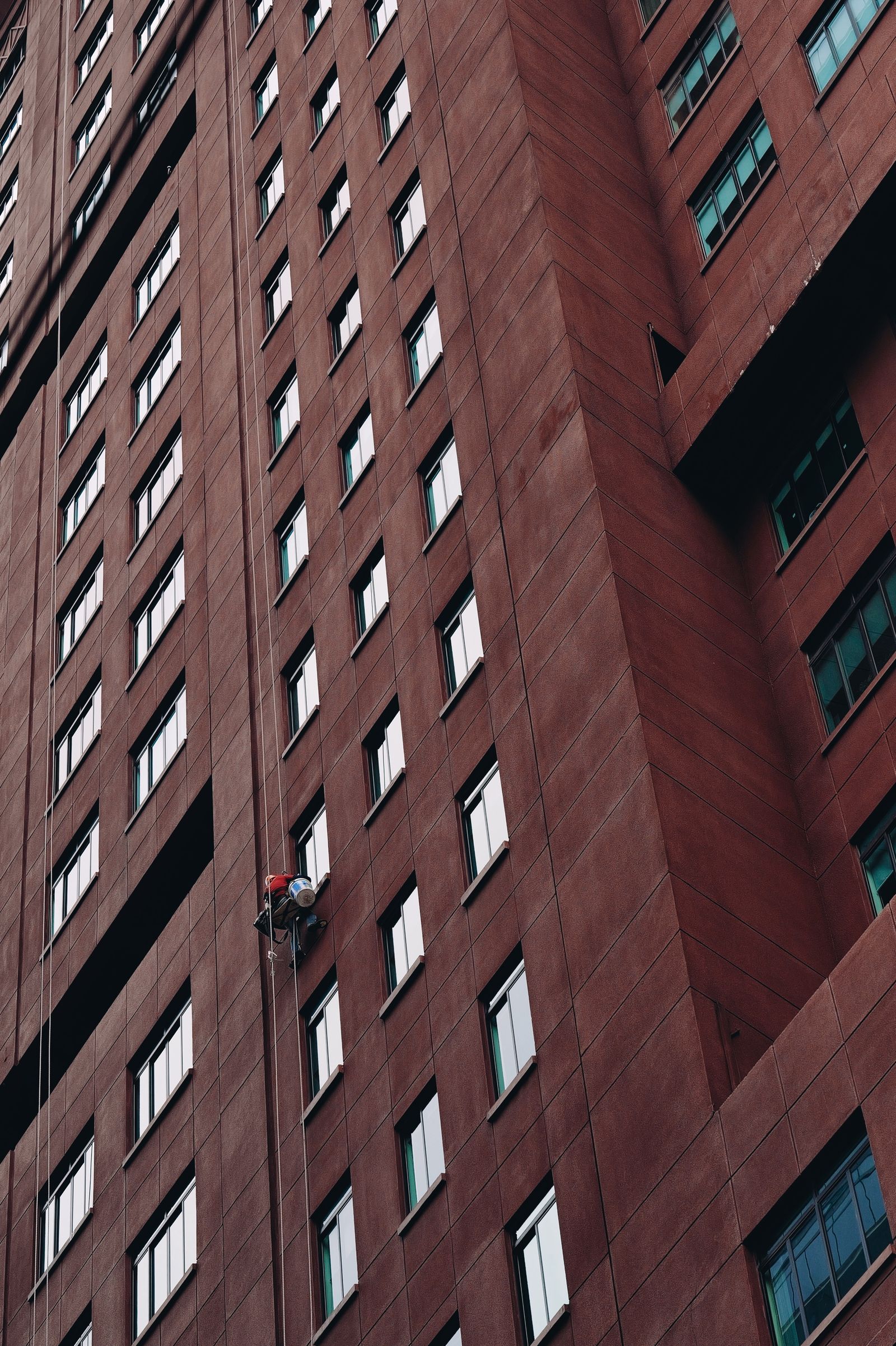
Access is more than height. Review overhead wires, trees, balconies, roof equipment, traffic, launch and recovery space, visual line of sight, and the ability to keep people and vehicles away. Drone support may help with selected upper walls, but commercial operations must follow applicable FAA rules and any required authorizations. It cannot replace contact detail, lift access, inspection, or repair work. A downtown building, hospital campus, school, or airport-area hotel may make a conventional or hybrid setup preferable even when a facade is tall.
Water movement should be part of the method comparison. Springfield sites may drain to curb inlets, swales, detention features, garage ramps, landscaped beds, or neighboring low points. The choice of chemistry and rinse should account for where water can go, what needs protection, and what the property requires. A method that looks efficient at the wall can be the wrong choice if its runoff cannot be controlled.
Know when neither routine method is enough
Some conditions need a different trade or a more specialized scope. Open mortar, cracked brick, spalled concrete, failed sealant, corrosion, peeling paint, active leaks, concealed moisture, and damaged coatings should be documented rather than attacked with more pressure or stronger chemistry. Hard-water deposits, efflorescence, oxidation, construction residue, graffiti, and glass mineral spotting may need specialty treatment and testing. Cleaning can improve a surface while leaving the defect that caused the deposit unchanged.
A professional assessment should set boundaries: included elevations, excluded repairs, expected improvement, test areas, protection, access method, water controls, weather limits, and closeout documentation. If the owner needs a facade repair opinion, leak investigation, coating evaluation, or historic masonry restoration, the cleaning team can identify that need without presenting washing as a cure. Clear exclusions protect the budget and the building.
For recurring maintenance, record the first service condition and monitor the areas that soil fastest. A shaded wall with a downspout problem may need drainage correction before a shorter cleaning interval. A retail lower wall may need more frequent attention because of splash and foot traffic. A hotel entry may justify a targeted appearance cycle while upper elevations are handled less often. Maintenance should follow exposure and building use, not an arbitrary calendar alone.
How Springfield owners can request a useful comparison
Send the property address, photographs from the ground and any accessible upper viewpoints, approximate height, known materials, priority areas, visible deposit, preferred timing, and operating limitations. Include information about patients, students, guests, customers, deliveries, production, parking, water access, storm drains, landscaping, air intakes, and nearby structures. Those details help determine whether a site visit, test panel, soft-wash plan, controlled pressure, specialty treatment, lift, pole, drone support, or hybrid sequence makes sense.
Ask for a proposal that distinguishes broad facade cleaning from glass restoration, hard-water removal, construction cleanup, graffiti, repairs, coatings, sealants, and leak work. The document should state the access method by zone, protection and runoff assumptions, weather contingencies, expected finish, exclusions, work hours, and closeout record. A clear comparison is more useful than a generic promise that one method is always safer or always stronger. Call +1 239-351-2897 or email contact@dronebuildingcleaners.com to get a quote or get in touch about a Springfield property.