Start with the facade Springfield actually has
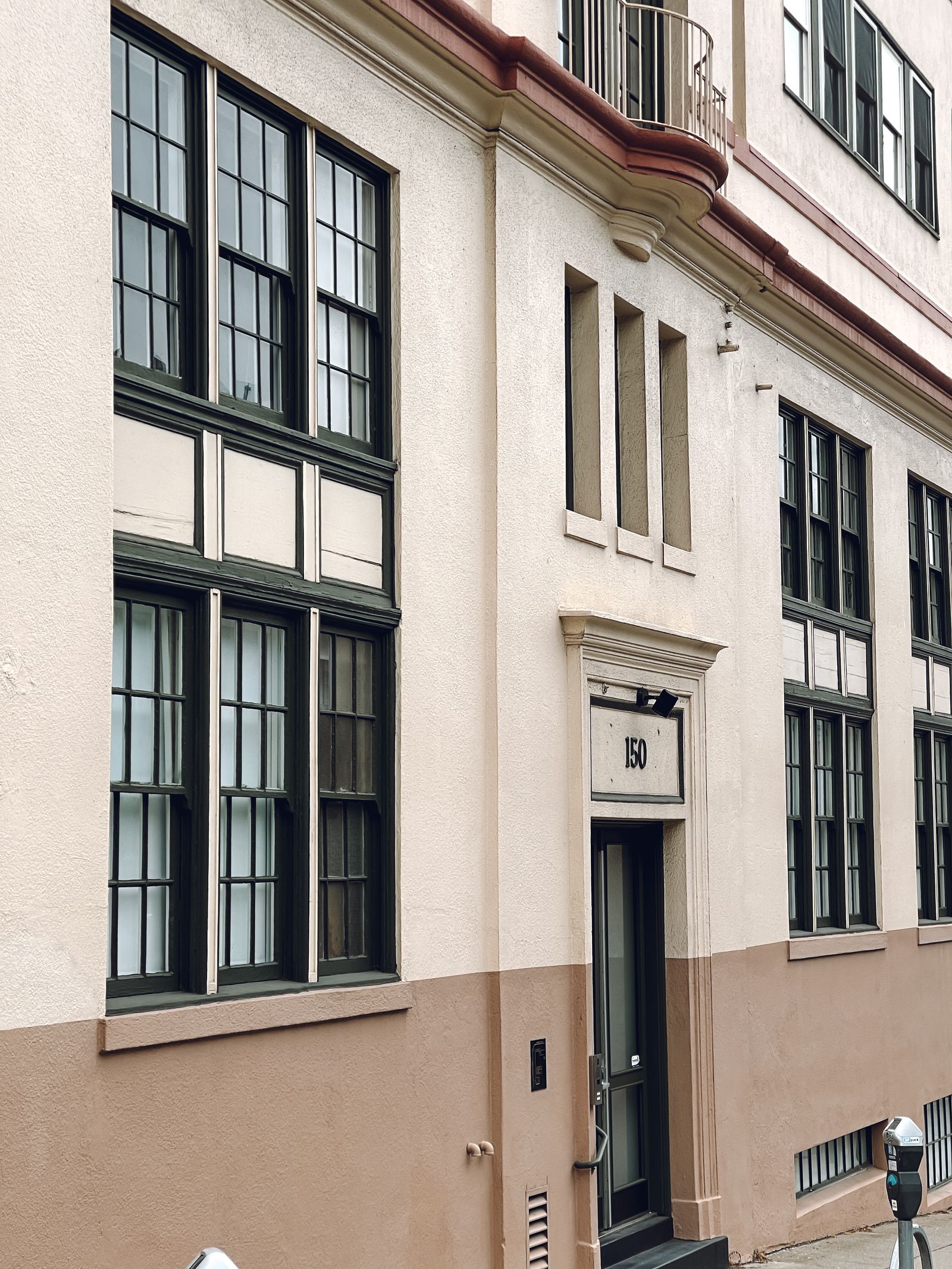
Commercial properties in Downtown Springfield, Commercial Street, Chesterfield Village, Lakewood Village, and the Battlefield Road area often combine several exterior systems. Brick and mortar may meet precast concrete, painted block, storefront glass, metal panels, EIFS, stucco, awnings, architectural trim, and repaired joints. A healthcare building can have a covered drop-off and delicate entry finishes beside broad masonry walls. A school or university building may have older brick, athletic facilities, sidewalks, and high pedestrian traffic. A distribution or manufacturing site near Kearney Street or the airport may have large metal elevations, docks, truck film, and restricted production areas. We divide the property into material and exposure zones before selecting chemistry, dwell time, rinse pressure, water volume, or access equipment.
Soft washing can be a suitable approach for compatible organic growth, pollen, light mildew-like staining, and some atmospheric film when the surface, product, dwell time, protection, and rinse are appropriate. It does not repair cracked masonry, open mortar, spalled concrete, failed sealant, corrosion, active leaks, peeling coatings, or moisture behind a wall. A black or green mark can also be mineral residue, oxidation, exhaust, irrigation, or a roof drainage problem. A Springfield quote should explain the observed condition, identify representative test areas when useful, and state what improvement is reasonably expected rather than treating every deposit as the same soil.
- Separate brick, mortar, concrete, glass, metal, EIFS, stucco, painted, and coated areas.
- Identify whether staining is organic, mineral, traffic-related, oxidized, or caused by repeat wetting.
- Use a test area when coatings, historic masonry, or prior repairs make the response uncertain.
- Keep repairs, leak diagnosis, restoration, coating replacement, and glass polishing outside routine washing.
Shape the service around Springfield customers and tenants
Healthcare properties near Cox South, Mercy Hospital Springfield, medical offices, and outpatient campuses need a clean arrival experience while preserving patient drop-offs, accessible routes, emergency access, air intakes, cameras, and outdoor waiting areas. Education properties around Missouri State, Drury University, Ozarks Technical Community College, and local schools may have class changes, student movement, athletic events, buses, and public sidewalks to coordinate. A facilities team may prefer work by elevation, building, entrance, or low-traffic period so cleaning does not compete with the daily schedule.
Hotels around Glenstone Avenue, Interstate 44, the Convention District, and the airport need arrival lanes, lobby-facing glass, signs, patios, shuttle movements, guest circulation, and event turnover protected. Retail centers near Battlefield Mall, Primrose Street, Republic Road, and National Avenue may combine multiple storefronts, drive aisles, delivery windows, landscaping, and neighboring tenants. Downtown offices and professional buildings may need a quiet early shift, tenant communication, and a sequence that keeps the principal entrance open. The objective is not simply a brighter wall; it is a more presentable property with a controlled customer experience.
Manufacturing, warehouse, and logistics properties around Kearney Street, East Sunshine, West Bypass, and the airport corridor often require security coordination, trailer movement, loading-dock protection, production windows, and clear separation from equipment. Road dust, exhaust film, pollen, and splash can sit beside organic deposits on lower elevations. The proposal should identify priority zones and operating constraints so the cleaning plan supports maintenance, leasing, a sale, an event, or a recurring appearance standard.
Work with southwest Missouri weather instead of against it
Springfield's humid summers, heat, intense rain, spring pollen, wind, and severe-weather risk can change how a wash behaves. Shaded north-facing walls, recessed entries, tree-lined campuses, and areas beneath roof edges may stay damp long enough for organic staining to return. Pollen settles on ledges, signs, canopies, and glass. Heavy rain may carry residue from parapets and gutters down a wall or across a sidewalk. Storm debris can add fresh marks to canopies, signs, roofs, and upper facade features. Traffic on Battlefield Road, Glenstone Avenue, and major commercial approaches contributes additional film near entrances and parking edges.
A responsible work window accounts for wind, lightning, rain probability, surface temperature, humidity, visibility, drying time, and public activity. Heat can shorten dwell time on a sun-facing wall while a shaded elevation responds more slowly. Wind can move mist beyond a barrier, affect hoses and plants, or make aerial work unsuitable. A storm can dilute a treatment and alter the path of rinse water. The schedule should include clear pause and reschedule triggers before barriers, hoses, lifts, or aerial equipment are staged.
Repeat streaking may point to a building-maintenance issue rather than an inadequate wash. Overflowing gutters, blocked scuppers, failed sealant, irrigation spray, condensation, roof-edge defects, and downspouts that discharge against masonry can keep one area wet. The cleaning team can document visible water paths for the owner or another trade to investigate. Addressing the source alongside the wash usually gives the facilities team a better long-term maintenance decision.
- Review heat, humidity, wind, rain, lightning, surface temperature, and drying time for each phase.
- Inspect roof edges, gutters, downspouts, canopies, joints, and low walls for recurring wetting.
- Protect plants, air intakes, vehicles, electrical equipment, finishes, and public routes.
- Define weather stop points before equipment and water controls are placed on site.
Treat drone access as a site-specific option
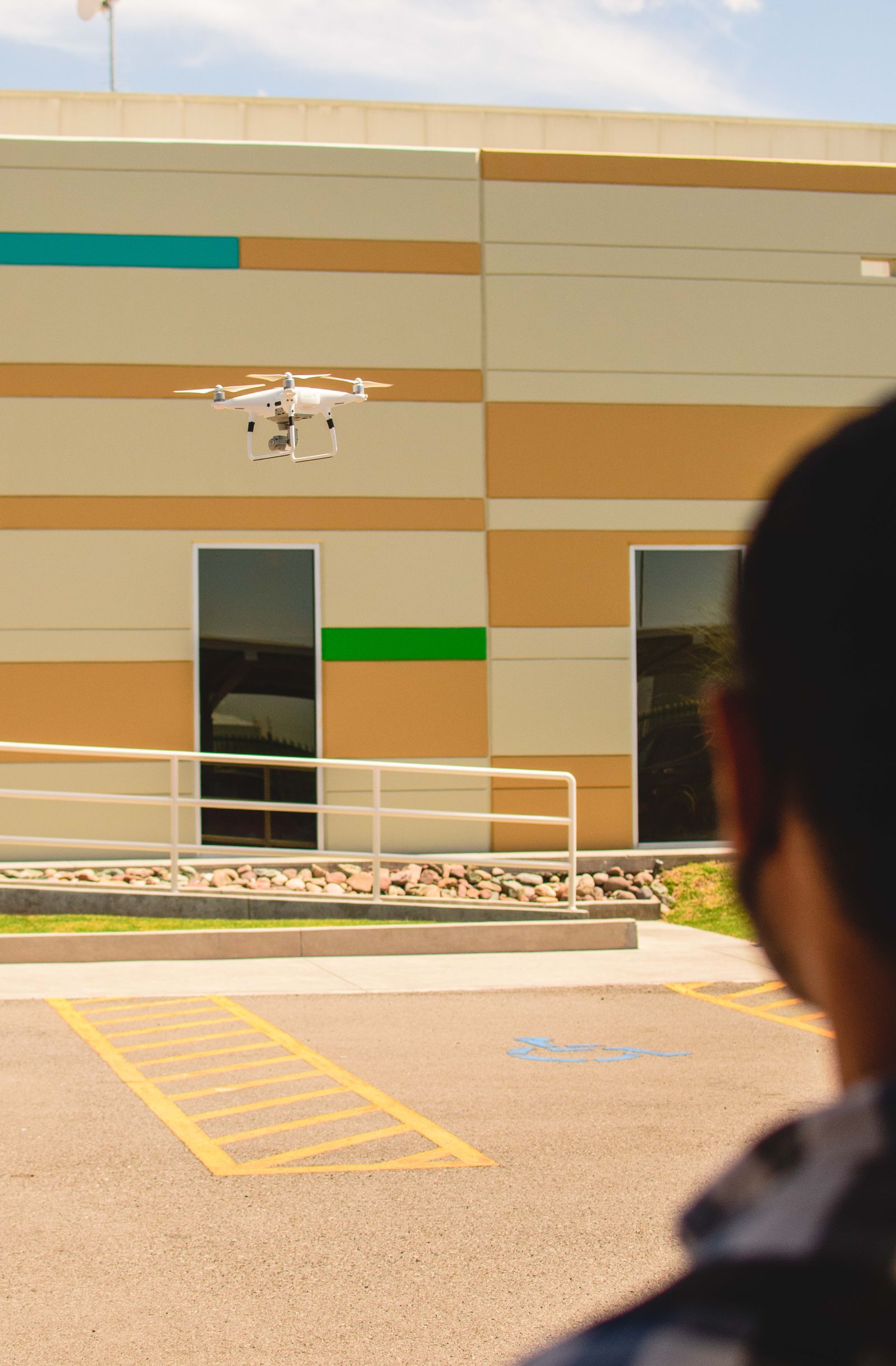
Drone assistance may be useful for suitable upper facade zones when the building, wind, stand-off distance, launch and recovery space, visual control, water path, and public separation support it. It can reduce repositioning for selected parapets, ledges, sign bands, and broad walls. It cannot make fragile chemistry safe, polish contact-clean glass, remove bonded mineral deposits, brush recessed ornament, diagnose concealed moisture, or repair joints and coatings. The scope should say which elevations may use aerial support and which require a lift, water-fed pole, roof access, ground setup, or hand detail.
Springfield properties can have overhead utilities, mature trees, balconies, rooftop equipment, active roads, school activity, hospital traffic, nearby airport operations, and crowded retail conditions. Airspace, wind, line of sight, people, vehicles, launch space, recovery space, and spray drift must be reviewed at the actual address. Commercial drone operations remain subject to applicable Federal Aviation Administration requirements; property permission does not replace aviation rules or required authorizations. If the public zone cannot be controlled, wind carries the rinse path, or recovery space is insufficient, a hybrid or conventional access plan is the better choice.
A hybrid scope might use aerial support on an appropriate upper wall, a water-fed pole on selected glass, controlled low-pressure work on durable concrete, and hand detailing around doors, signs, canopies, storefronts, and architectural features. Height is only one input. Material, soil, public exposure, drainage, access, and the finish that can actually be delivered decide the method.
Protect drainage, landscaping, and active work zones
Before water or cleaning solution is applied, map patient and guest entrances, accessible paths, employee doors, loading docks, air intakes, cameras, electrical equipment, landscaping, vehicles, signs, and adjacent properties. A medical campus may need a clear emergency route. A hotel may need its porte-cochere open. A school may need bus and pedestrian movement separated. A manufacturer may require a spotter at a dock and a work window between trailer movements. A retail property may need tenant notices and a sequence that keeps the busiest storefront available.
Springfield parking lots and campuses can drain toward curb inlets, grass swales, detention features, garage ramps, pavement joints, or landscaped low points. A visible storm inlet is not automatic permission to send wash water into it. Confirm water access, hose routes, low points, sensitive landscaping, doors, vehicles, and the person authorized to pause work. Chemistry, rinse volume, diversion, collection, recovery, or other controls should match the expected water path and the property's requirements. If observed flow differs from the initial review, the plan needs a defined stop and reassessment.
A closeout record should identify completed elevations, remaining deposits, pre-existing damage, inaccessible zones, and conditions that need another trade. The field plan should also state where barriers, hoses, spotters, and protection will go and when they will be removed. A phased sequence can control fewer entrances and drive lanes at once while still delivering a useful result for an active Springfield property.
- Locate low points, drains, swales, landscaping, doors, intakes, vehicles, and sensitive equipment.
- Confirm water access, hose routing, barriers, spotters, security, and emergency access before setup.
- State the runoff approach and the stop condition if water moves differently than expected.
- Document completed, deferred, stained, damaged, and separately quoted areas at closeout.
Request a quote that reflects the property outcome
A useful Springfield commercial soft-washing proposal should identify service elevations, materials, visible deposits, included features, method, intended finish, exclusions, water assumptions, access approach, operating window, weather limits, and closeout documentation. It should distinguish broad facade washing from high-detail glass, hard-water removal, construction residue, graffiti, coating work, masonry repair, or envelope inspection. If aerial support is considered, the quote should explain the site conditions that must be present and where a lift, pole, or hand detail remains necessary.
Send the property address, wide and close photographs, approximate height, priority elevations, known materials, preferred dates, water access, drainage information, and operating restrictions. Mention hospital or clinic hours, class changes, athletic events, hotel peaks, tenant rules, delivery windows, production constraints, parking controls, and airport-area considerations when known. We can determine whether a site review, test area, phased schedule, or hybrid access plan is appropriate. Call +1 239-351-2897 or email contact@dronebuildingcleaners.com to get a quote or get in touch.